

IT band syndrome is an overuse injury that causes pain on the outside of the knee, commonly affecting runners, cyclists, and active adults. It usually develops from training errors, weak hip muscles, and poor movement control. Treatment focuses on reducing irritation, improving hip strength, and correcting movement patterns to prevent recurring pain.
Key Takeaways
- IT band syndrome causes sharp or burning pain on the outside of the knee, especially during running or repetitive activities.
- The problem is usually related to hip weakness, poor movement control, or sudden increases in training load.
- Stretching and foam rolling may provide temporary relief, but strengthening the hips is the key to long-term recovery.
- Most people improve within 4–8 weeks with proper activity changes and targeted exercises.
- Physical therapy can identify the movement issues causing recurring outer knee pain and create a personalized recovery plan.
What Is IT Band Syndrome?
IT band syndrome is irritation where the iliotibial band crosses the outer side of your knee. The iliotibial band is a thick strip of connective tissue that runs along the outside of your thigh, from your hip down to just below your knee, and it helps stabilize your leg every time your foot hits the ground.
When you repeat the same motion many times, such as running stride after stride, the area where the band meets the outer knee can become irritated and inflamed. That is the pain you feel on the outside of the knee.
The same band can also cause pain higher up at the outer hip, though the knee is the more common spot. Knowing where your pain sits helps guide the right plan.
Why It Is Not Really a Tight Band Problem
Many people are told their IT band is tight and that they need to stretch it loose. The band is one of the strongest pieces of connective tissue in your body, and you cannot meaningfully lengthen it with stretching.
The pain usually comes from how your hip and knee move under load, not from the band being short. That is why a plan built only on stretching and rolling tends to fall short, while one built on strength and control tends to work.
If your outer knee pain keeps returning, our team that handles running knee injuries can pinpoint the movement issue behind it. Call 404 905 7342 to schedule a free discovery call and start moving toward lasting relief. You can also request an appointment online whenever it suits your schedule.

What Does IT Band Syndrome Feel Like?
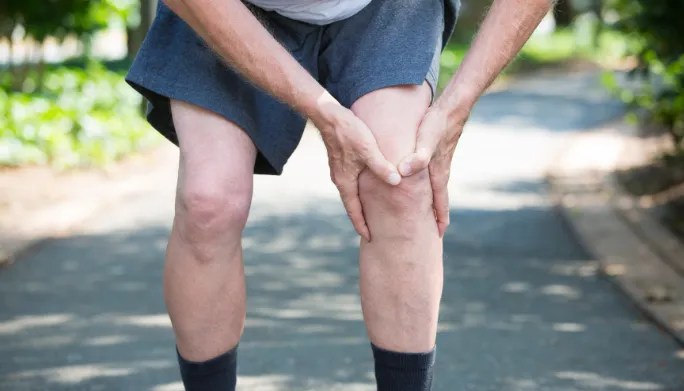
IT band syndrome usually feels like a sharp, burning, or aching pain on the outer side of the knee. It often starts at a predictable point in a run or ride, eases when you stop, then returns sooner the next time you train.
Common symptoms include:
- Pain or burning on the outer knee, especially when your foot strikes the ground
- Discomfort that builds during activity rather than appearing all at once
- A clicking, snapping, or rubbing feeling on the outside of the knee
- Tenderness when you press on the outer knee or lower outer thigh
- Pain that worsens running downhill or walking down stairs
- Tightness or soreness along the outer hip in some cases
Early on, the pain may fade once you warm up, only to return later in the session. As the irritation builds, the pain tends to start sooner and linger longer after you finish.
What Causes IT Band Syndrome in Runners and Active Adults?
IT band syndrome is almost always a load and control problem, which means your training outpaced what your hips and knees were ready to handle. It rarely comes from a single misstep and usually builds from repeated stress over weeks.
Common causes in active adults and athletes include:
- Increasing mileage, hills, or intensity faster than your body adapts
- Weak glutes and deep hip muscles that let the knee collapse inward
- Running on cambered roads or always the same direction on a track
- Worn out shoes that change how your foot and leg load
- Long days of sitting that leave hip muscles underused and slow to fire
- Running form that overstrides or crosses the feet toward the midline
The pattern underneath most of these is the same. When your hips do not control your thigh and knee well, the outer knee absorbs extra stress with every stride, and the IT band area pays the price.
How Do You Treat IT Band Syndrome at Home?
You treat early IT band syndrome at home by calming the irritation first, then loading the hips so the knee stops taking the brunt of the work. Total rest can ease pain for a few days, but it does not fix the cause, so the pain often returns the moment you train again.
Helpful first steps include:
- Reduce the activity that flares it, such as cutting mileage or skipping hills for a week or two
- Use ice over the outer knee for ten to fifteen minutes after activity if it feels sharp
- Swap painful runs for low-irritation options like swimming or easy cycling within comfort
- Begin gentle hip and glute strengthening, which is the part that creates lasting change
- Check your shoes and replace them if they are worn or very old
A simple rule helps you guide yourself. Mild discomfort that fades quickly is usually fine, while sharp pain that grows during activity is a signal to back off and adjust.
What Are the Best IT Band Syndrome Stretches and Exercises?
The best exercises for IT band syndrome strengthen the hip muscles that control your knee, because that is where most outer knee pain truly begins. Stretching has a small role, but strength work is what changes your symptoms for good.
Strengthening Moves That Target the Real Cause
These moves wake up the glutes and hip muscles so your knee tracks better with every step:
- Side-lying leg raises to build the outer hip muscles
- Glute bridges to strengthen the back of the hips
- Side steps with a band around the knees or ankles
- Single-leg balance work to train control where you need it
- Step downs done slowly to teach the knee to stay aligned
Start with controlled, pain-free reps and build gradually. You should feel the muscles working, not sharp knee pain, and quality of movement matters more than speed or volume.

Mobility Work That Actually Helps
While you cannot lengthen the band itself, you can ease tightness in the muscles around it:
- Gentle glute and outer hip mobility to reduce surrounding tension
- Quad and hip flexor mobility to free up the front of the hip
- Foam rolling the glutes and quads, which calms nearby muscles better than rolling the band
Use mobility work to feel looser and more comfortable before and after training. Pair it with strength work so the looser feeling turns into lasting change.
Does Foam Rolling or a Knee Strap Help IT Band Syndrome?
Foam rolling and straps can offer short term comfort, but neither fixes the cause of IT band syndrome on its own. They work best as small helpers alongside a real strength plan, not as the whole plan.
| Tool | What it does | Best use |
|---|---|---|
| Foam roller | Eases tightness in nearby glute and quad muscles | Brief relief before or after training |
| Outer knee strap | Changes pressure over the irritated area for some people | Short term support during a run, not a cure |
| Ice | Calms a sharp flare after activity | Ten to fifteen minutes post activity |
| Hip strengthening | Fixes the control problem behind the pain | The core of lasting recovery |
If a tool helps you feel better, it is fine to use it. Just keep your main focus on building hip strength and improving how your knee moves under load.
IT Band Syndrome vs Runner’s Knee: How Are They Different?
IT band syndrome causes pain on the outer side of the knee, while runner’s knee causes pain around or under the kneecap. They often get confused because both flare with running and both link back to weak hips, but they need slightly different exercise focus.
| Feature | IT Band Syndrome | Runner’s Knee |
|---|---|---|
| Pain location | Outer side of the knee | Around or under the kneecap |
| Typical trigger | Repetitive running, downhill, cambered roads | Stairs, squats, sitting with bent knees |
| Pain quality | Sharp or burning on the outside | Dull ache around the front |
| Shared cause | Weak hips and training spikes | Weak hips and training spikes |
Because the two overlap, a correct diagnosis saves you time. If you are unsure which one you have, our care for runner’s knee treatment in Sandy Springs starts with a clear assessment so your plan matches your actual problem.
How Long Does IT Band Syndrome Take to Heal?
Most cases of IT band syndrome improve in four to eight weeks with a focused plan, though the exact timeline depends on how long you have had it and how consistent you are. Early, mild cases often calm faster, while long standing cases take more patience.
| Stage | Typical timeline | What is happening |
|---|---|---|
| Early relief | 1 to 2 weeks | Pain settles as you reduce load and start hip work |
| Strength and control | 3 to 6 weeks | Hips get stronger and the knee tracks better |
| Return to full training | 6 to 12 weeks | You rebuild mileage and intensity without flare ups |
Your timeline is personal. The most reliable way to speed it up is to address the hip strength and movement issues early instead of rest and repeat.
Should You Keep Running With IT Band Syndrome?
You can often keep running with IT band syndrome, but you usually need to reduce mileage, slow your pace, and avoid downhill routes for a while. The goal is to stay active without feeding the irritation that keeps the pain alive.
Use these guidelines as you train:
- Cut your usual distance and intensity until the outer knee settles
- Avoid hills and steep downhill sections, which load the area hard
- Stop the run if sharp outer knee pain starts and grows
- Cross train with swimming or easy cycling to keep fitness up
If you cannot run even a short, easy distance without sharp pain, that is a sign to pause running and focus on rehab for a short period. A brief, smart pause now often prevents a long, frustrating one later.
When Should You See a Physical Therapist for IT Band Syndrome?
You should see a physical therapist if outer knee pain lasts more than two weeks, returns every time you run, or keeps you from training. Early guidance shortens recovery and keeps a small issue from turning into a long-term one.
A skilled assessment looks at how your hips, knees, and feet move together, not just the sore spot. We test strength and control, watch how you move, and find the specific pattern that overloads your outer knee.
From there, we build a plan that blends hands-on care, targeted strength work, and clear guidance on training so you can stay as active as possible. The aim is to fix the cause so the pain stops coming back, rather than chasing it with temporary relief.
How We Help Active Adults Beat IT Band Syndrome
At iCare Physical Therapy and Wellness in Sandy Springs, we treat IT band syndrome by finding the root cause and building a plan around your sport and goals. We work one-on-one, so you feel heard and guided at every visit instead of handed a generic sheet of exercises.
Our approach blends hands-on treatment to calm the irritated tissue, progressive strength work for your hips and knees, and coaching on training load and form. You learn why the pain showed up and exactly how to keep it from returning.
Whether you run, cycle, lift, or chase weekend games across the greater Atlanta area, we help you protect your knees and keep doing what you love. You do not have to choose between staying active and getting out of pain.
Ready to Get Rid of Outer Knee Pain?
If outer knee pain keeps cutting your runs short, you do not have to figure it out alone. iCare Physical Therapy and Wellness offers a free discovery call for new patients so you can share your story, ask questions, and see if our approach fits you.
Call 404 905 7342 to schedule your free discovery call, or request an appointment online, and start moving toward stronger, pain-free knees.
Frequently Asked Questions About IT Band Syndrome
How long does IT band syndrome take to heal?
Most cases of IT band syndrome settle in four to eight weeks when you reduce the aggravating activity and follow a focused strength and mobility plan. Mild, early cases can calm down in two to three weeks. Stubborn cases that have lingered for months often need eight to twelve weeks of guided rehab to fully resolve.
Should you keep running with IT band syndrome?
You can often keep some running, but you usually need to reduce your mileage, slow your pace, and avoid downhill routes for a while. Sharp outer knee pain that grows during a run is a signal to stop for the day. Pushing through that pain tends to extend recovery rather than shorten it.
What is the fastest way to relieve IT band syndrome pain?
The fastest relief comes from backing off the activity that flares it, then adding gentle hip and glute work to share the load. Ice over the outer knee after activity can calm a sharp flare. Lasting relief comes from fixing the strength and movement issues behind the pain, not from rest alone.
Does foam rolling help the IT band?
Foam rolling the outer thigh can ease tightness and feel good for a short time, but you cannot stretch or lengthen the IT band itself because it is a strong band of connective tissue. Rolling the nearby glute and quad muscles is more useful. The real fix is strengthening the hip muscles that control your knee.
Is IT band syndrome the same as runner’s knee?
No. IT band syndrome causes pain on the outer side of the knee, while runner’s knee, or patellofemoral pain, usually causes pain around or under the kneecap. They share causes like weak hips and training spikes, but they need slightly different exercises, so a correct diagnosis matters.
When should you see a physical therapist for IT band syndrome?
See a physical therapist if outer knee pain lasts more than two weeks, returns every time you run, or stops you from training. You should also seek care sooner if the knee swells, gives way, or hurts going down stairs. A one-on-one assessment finds the root cause so you fix it instead of managing it.


