

When you hear “sports injury doctor,” you might picture a physician in a white coat prescribing medication or recommending surgery. But many times, the real game-changer for athletes isn’t a sports medicine doctor—it’s a doctor of physical therapy (DPT).
A sports injury doctor who is a DPT focuses on healing and strengthening your body without relying on surgery or painkillers.
They help athletes recover from injuries, prevent future setbacks, and optimize movement for peak performance. Instead of just treating symptoms, they address the root cause of pain and dysfunction.
Here’s why working with a doctor of physical therapy is often your best choice:
- Hands-on treatment – Techniques like manual therapy, dry needling, and joint mobilization improve mobility and reduce pain.
- Rehab without surgery – Many injuries, even serious ones, can heal fully with the right therapy plan.
- Injury prevention – Learn how to strengthen weak areas and improve movement patterns to stay in the game.
- Customized recovery plans – Every athlete’s body is different, and a DPT tailors care to your specific needs.
If you want to recover faster, move better, and stay injury-free, a sports injury doctor who is a physical therapist is your go-to expert. They don’t just get you back on your feet—they help you come back stronger.
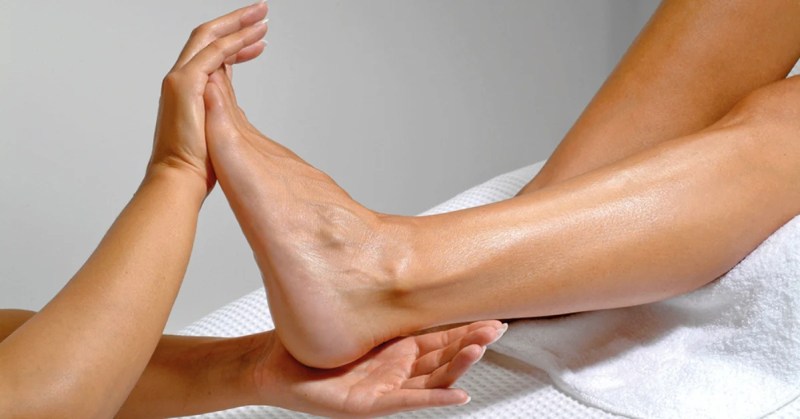
12 Ways a Sports Physical Therapy Clinic Gets You Back In the Game
Recovering from sports-related injuries takes more than just rest. A sports injury doctor at a sports physical therapy clinic helps you heal, regain strength, and prevent future setbacks.
“Sports medicine doctors are the best first point of contact for severe injuries, while physical therapists excel at rehabilitation and management of chronic conditions. The key is understanding that these professionals work together to ensure optimal recovery and health.”
Whether you’re dealing with common injuries like sprains, overuse injuries, or post-surgical rehabilitation, expert sports injury care gives you the best chance of getting back to peak performance.
1. Diagnosing Your Injury the Right Way
Understanding the root cause of your pain is key to effective treatment. A sports injury doctor evaluates movement patterns, strength, and mobility to diagnose the issue properly.
While acute severe athletic injuries may need to expertise of a sports medicine physician, many injuries can and do respond well to physical therapy.
Unlike some sports medicine physicians, a doctor of physical therapy doesn’t just look at symptoms—they assess how your body moves as a whole.
2. Personalized Care Designed for Athletes
Every athlete is different, and so is every injury. A sports physical therapy clinic provides personalized care based on your specific needs, whether you’re recovering from arthroscopic surgery, a hip strain, or a knee injury.
Your treatment plan focuses on restoring function while preventing overuse injuries from returning.
If you’re dealing with a sports-related injury, don’t wait to get help.
At I Care Physical Therapy, our sports physical therapy clinic offers expert care, advanced techniques, and a team dedicated to getting you back in the game.
Talk with a PT or schedule your appointment today at (404) 905-7342. Take the first step toward recovery.
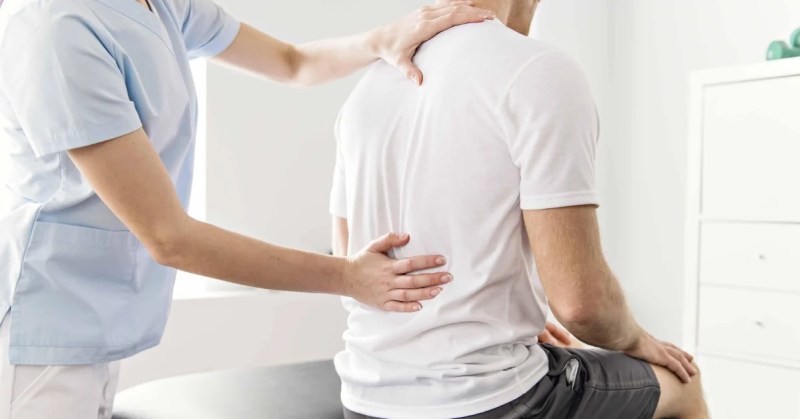
3. Hands-On Techniques for Faster Recovery
Manual therapy, joint mobilization, and soft tissue work are key parts of treatment. These techniques help reduce pain, restore flexibility, and improve movement efficiency.
Instead of relying on medication, sports PT therapists use their hands to help your body heal naturally.
4. Strength Training to Prevent Future Injuries
Weak muscles and imbalances often lead to sports-related injuries.
A sports physical therapy clinic includes targeted strength training to build stability in areas like the ankle, shoulder, and hip.
Stronger muscles mean fewer injuries and a better chance of staying in the game.

5. Sport-Specific Rehabilitation
Recovering from an injury isn’t just about getting back to normal life—it’s about returning to peak athletic performance.
Whether you’re a weekend warrior or a professional athlete, your rehab plan is built around your sport.
6. Treating Athletes Without Surgery Whenever Possible
While orthopedic surgery is sometimes necessary, many sports-related injuries can heal without it.
A sports physical therapy clinic offers minimally invasive procedures, injury prevention programs, and hands-on therapy to help you avoid unnecessary surgical care.
7. Post-Surgery Recovery with Expert Rehabilitation
If you’ve undergone orthopedic surgery or arthroscopic surgery, proper rehab is essential.
Sports medicine care may offer pain relief and surgery, but PTs help you regain strength, flexibility, and confidence in your movements.
Your sports injury doctor works closely with orthopedic surgeons to ensure a full recovery.

8. Advanced Techniques for Faster Healing
Modern sports physical therapy goes beyond basic rehab. Many clinics offer treatments like dry needling and neuromuscular re-education.
These advanced approaches speed up healing so you can return to training sooner.
9. Education to Keep You Injury-Free
Healing is just one part of the process. Preventing future injuries is just as important.
A sports physical therapy clinic teaches you how to move correctly, strengthen weak areas, and modify training habits to stay healthy.
10. Convenient Locations and Flexible Scheduling
Athletes have busy lives, and finding time for treatment can be tough. Many sports physical therapy clinics offer convenient locations and flexible scheduling to make your recovery as easy as possible.
11. Holistic Care for Your Whole Body
Pain in one area often means issues elsewhere. A sports PT doesn’t just treat the injury—they assess how your entire body moves.
This whole-body approach ensures that pain doesn’t return later due to poor mechanics or untreated weaknesses.

12. A Team Approach to Your Health
Whether you need rehabilitation, strength training, or surgical care, your treatment team is there every step of the way.
Schedule Your Appointment Today
If you’re dealing with a sports-related injury, don’t wait to get help.
At I Care Physical Therapy, our sports physical therapy clinic offers expert care, advanced techniques, and a team dedicated to getting you back in the game.
Talk with a PT or schedule your appointment today at (404) 905-7342. Take the first step toward recovery.


