

The best patellar tendonitis exercises load the tendon gradually, from gentle holds to slow strength work, decline squats, and finally jumping. Done consistently, this plan eases pain below the kneecap within weeks. It also rebuilds a tendon that can handle your sport again.
Rest alone rarely fixes jumper’s knee. The tendon needs the right amount of load, at the right time, to get stronger.
Here are five things you can start today.
- Cut back on jumping and deep squats for now, but keep moving.
- Try a 45 second wall sit hold, five times, once or twice a day.
- Rate your knee pain from 0 to 10 during and after each exercise.
- Check how your knee feels the next morning before adding more.
- Keep training your hips, calves, and upper body so you stay fit.
What Is Patellar Tendonitis?
Patellar tendonitis is an overuse injury of the tendon that connects your kneecap to your shin bone. It usually causes a dull ache just below the kneecap that gets worse with jumping, squatting, or stairs.
Cleveland Clinic explains that repeated movements like jumping gradually weaken the patellar tendon. It also notes that pushing through the pain to keep training tends to make symptoms worse over time.
Tendonitis, Tendinopathy, or Jumper’s Knee?
You may hear three names for the same problem. Patellar tendonitis, patellar tendinopathy, and jumper’s knee all describe pain and irritation in this one tendon.
Many clinicians prefer tendinopathy because long lasting cases involve more tendon wear than true inflammation. The name matters less than the fix, and the fix is smart loading.
Who Gets Jumper’s Knee?
Jumper’s knee is most common in athletes who jump, sprint, or change direction often. Basketball, volleyball, track, soccer, and CrossFit style training all place heavy demands on the tendon.
Research on elite Norwegian athletes shows how common it is. In a study in the American Journal of Sports Medicine, researchers found current jumper’s knee in 44.6 percent of volleyball players. The rate among basketball players was 31.9 percent.
You do not need to be elite to get it, though. Weekend players, runners who add hills, and adults who suddenly ramp up training are all at risk.
What Causes Patellar Tendonitis?
Patellar tendonitis happens when the tendon takes on more load than it can recover from. The most common trigger is a sudden jump in training, not one single bad movement.
Several things can tip the balance.
- Training spikes: A new season, extra practices, or a new jumping program.
- Hard surfaces: Frequent jumping on concrete or hard courts.
- Weak quads and hips: Less muscle support means more stress on the tendon.
- Stiff ankles: Limited ankle bend forces your knee to absorb more landing force.
- Too little recovery: Back to back hard days leave the tendon no time to adapt.
Finding your own triggers is part of the fix. Otherwise, the pain tends to return as soon as you get back to full training.
What Are the Best Exercises for Patellar Tendonitis?
The best exercises follow a staged plan. You start with isometric holds, move to slow heavy strength, add lengthening work such as decline squats, and finish with springy jumping and sport drills.
Each stage prepares the tendon for the next one. Skipping ahead is the fastest way to flare your knee.
| Stage | Main Goal | Example Exercises | Move On When |
|---|---|---|---|
| Stage 1: Isometrics | Calm pain and start loading | Wall sit, Spanish squat hold, knee extension hold | Holds feel easy and pain stays low |
| Stage 2: Slow Strength | Build tendon and quad strength | Leg press, split squat, slow step downs | You handle heavier loads with little pain |
| Stage 3: Lengthening Load | Train control under stretch | Decline squats, slow single leg squats | Single leg work feels strong and steady |
| Stage 4: Spring and Speed | Restore jumping and sport power | Pogo hops, box jumps, bounding, cutting drills | Pain stays settled the next morning |
Stage 1: Isometric Holds
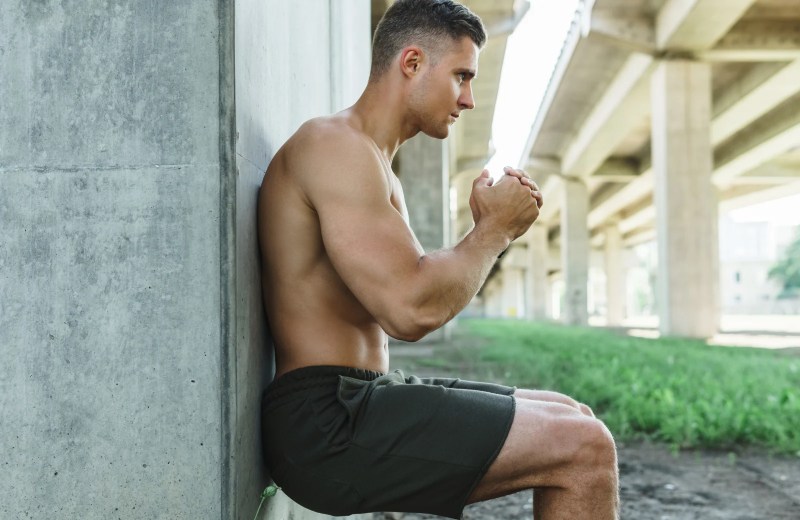
Isometric exercises mean you hold a position without moving. They can reduce tendon pain for a while after you do them, which makes them a great starting point.
- Wall sit: Slide down a wall until your knees bend to a comfortable angle and hold for 30 to 45 seconds.
- Spanish squat hold: Loop a strap around a post and behind your knees, then sit back and hold.
- Knee extension hold: Use a machine or band and hold your knee partly straight against resistance.
Aim for about five holds with a two minute rest between them. Most people can do these daily.
Stage 2: Slow Heavy Strength
Once holds feel easy, you move the weight through a full, slow range. Think three seconds down and three seconds up.
- Leg press: Start with both legs, then progress to one leg at a time.
- Split squat: Keep your front shin fairly upright and lower under control.
- Slow step downs: Stand on a low step and lower the other heel to the floor.
Train these every other day, since tendons adapt best with recovery time between sessions. Add weight gradually as long as your knee settles by the next morning.
Stage 3: Decline Squats and Lengthening Work
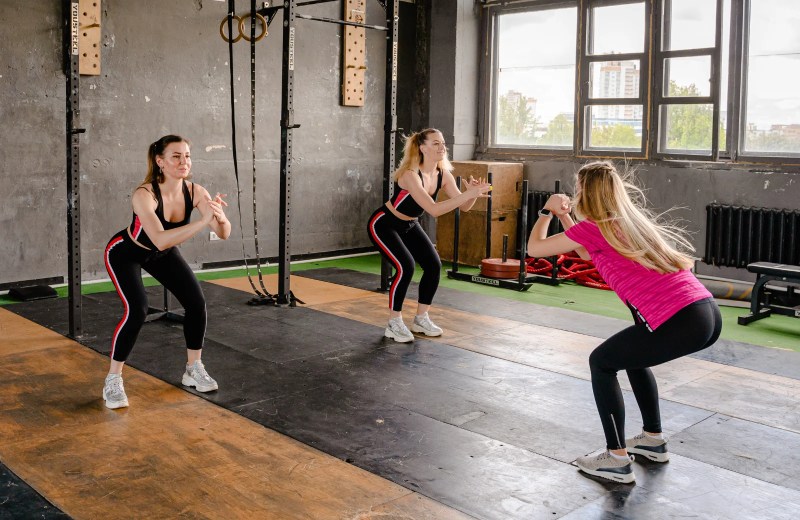
Decline squats place extra load on the patellar tendon. You stand on a slanted board, with heels higher than toes, and lower slowly on one leg.
This approach has solid backing. A 2023 review in the Archives of Orthopaedic and Trauma Surgery reports that eccentric exercise is the most popular conservative treatment for patellar tendinopathy. The same review describes a study where an eccentric program matched surgery at 12 months.
- Lower for about three seconds on the sore leg.
- Use both legs to come back up at first.
- Start with a few sets of 8 to 15 reps and build from there.
Stage 4: Spring, Jump, and Return to Sport
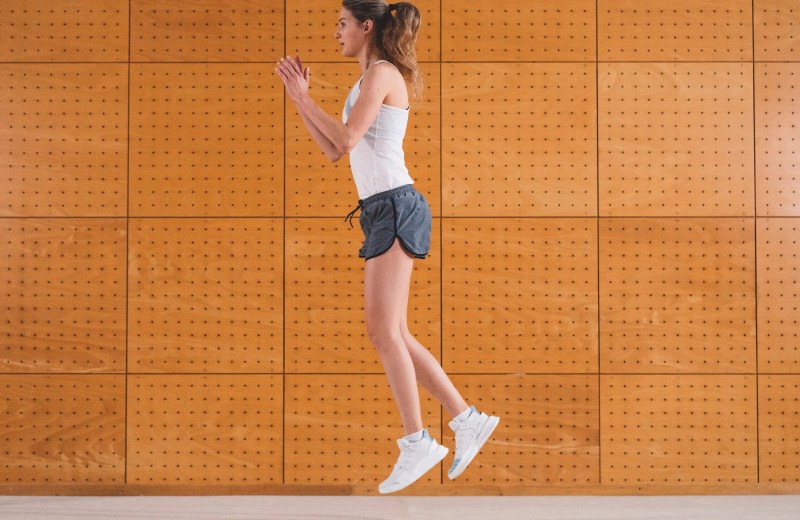
Your tendon works like a spring during jumping and sprinting. The final stage retrains that spring action so you can play without pain.
- Pogo hops: Small, quick bounces on the balls of your feet.
- Box jumps: Jump up to a box and step down to limit landing stress.
- Bounding and cutting: Add longer jumps and changes of direction step by step.
Start with a low number of jumps and increase slowly over several weeks. Your knee’s response the next day guides every increase.
Do Not Forget Your Hips and Calves
Strong hips and calves share the landing forces with your knee. When they fatigue, your patellar tendon takes more of the load.
- Side lying hip raises and banded side steps for your glutes
- Single leg calf raises for spring and shock absorption
- Single leg balance work for landing control
What Does a Weekly Patellar Tendonitis Exercise Plan Look Like?
A good weekly plan mixes daily holds with strength work every other day. Here is a simple example for someone in Stage 2.
| Day | Knee Focus | Other Training |
|---|---|---|
| Monday | Isometric holds plus leg press and split squats | Upper body strength |
| Tuesday | Isometric holds only | Easy cycling or swimming |
| Wednesday | Isometric holds plus step downs and calf raises | Hip and core work |
| Thursday | Isometric holds only | Light sport skills with no jumping |
| Friday | Isometric holds plus leg press and split squats | Upper body strength |
| Weekend | Rest or a short walk | Mobility and recovery |
Adjust the plan based on your morning pain check. If your knee feels worse, swap the next strength day for holds only.
How Much Pain Is Okay During Patellar Tendonitis Exercises?
Some discomfort is normal and safe. Most programs allow pain up to about 3 out of 10 during exercise, as long as it settles within 24 hours.
Use this simple traffic light guide.
- Green, 0 to 3: Keep going and progress as planned.
- Yellow, 4 to 5: Hold your current level and do not add more yet.
- Red, 6 or higher: Back off to an easier stage for a few days.
The next morning check matters most. If your knee feels worse the day after, you did too much, even if the session felt fine.
Which Exercises Should You Avoid With Patellar Tendonitis?
Avoid high impact moves that flare your pain until your tendon is ready for them. That usually means heavy jumping, deep fast squats, and long downhill runs early on.
- Repeated jumping or plyometric circuits
- Fast, deep squats with heavy weight
- Steep downhill running or hiking
- Lunges that cause sharp pain below the kneecap
Avoiding them now does not mean avoiding them forever. You add them back in Stage 4 once your tendon has earned it.
Should You Stretch With Patellar Tendonitis?
Gentle stretching can help, but it does not fix the tendon on its own. Strength work is still the main treatment.
Tight quads, hamstrings, or calves can change how force travels through your knee. Easy stretches after training can support your program, as long as they do not provoke pain below the kneecap.
How Long Does Patellar Tendonitis Take to Heal?
Mild cases often feel much better within 4 to 6 weeks of consistent exercise. Long lasting cases usually need 3 months or more of steady loading to fully settle.
| Situation | Typical Timeline | What Helps Most |
|---|---|---|
| New, mild pain | About 4 to 6 weeks | Load changes and isometric holds |
| Pain for a few months | About 6 to 12 weeks | Full staged strength program |
| Pain for many months or years | 3 to 6 months or more | Patient progression and sport retraining |
Tendons adapt slowly compared to muscles. Steady progress week to week matters more than fast results.
Do Knee Straps, Ice, or Rest Help Patellar Tendonitis?
Knee straps and ice can ease pain in the short term, but neither one strengthens the tendon. Complete rest may calm symptoms, yet the pain often returns once you play again.
- Patellar straps: Some athletes feel less pain while playing with one.
- Ice: Helpful for soreness after activity.
- Relative rest: Cut back on the painful activities while you keep exercising.
Think of these as support tools. The exercise program is what changes the tendon.
How Is Patellar Tendonitis Different From Runner’s Knee?
Patellar tendonitis hurts right below the kneecap, on the tendon itself. Runner’s knee usually aches around or behind the kneecap instead.
The difference matters because the exercise plans are not identical. Jumper’s knee responds best to progressive tendon loading, while runner’s knee often needs more focus on hip strength and running form.
When Should You See a Physical Therapist for Patellar Tendonitis?
See a physical therapist if your pain lasts more than two weeks or keeps coming back each season. Get help sooner if the pain changes how you walk or climb stairs.
- Swelling around the knee or a knee that gives way
- Sudden, sharp pain after a jump or a hard landing
- Pain that wakes you at night
- No progress after several weeks of home exercise
A therapist confirms the diagnosis and rules out look alike problems. They also set the right starting load, which is often the hardest part to guess at home.
Frequently Asked Questions
Is walking okay with patellar tendonitis?
Yes, walking is usually fine and helps you stay active. Stop or shorten your walks if they increase pain below the kneecap.
Can you squat with patellar tendonitis?
Yes, but start with shallow, slow squats or wall sits that keep pain low. You can go deeper and add weight as your tendon gets stronger.
Should you play through jumper’s knee?
Playing with mild, stable pain may be okay while you follow a rehab plan. Playing through pain that climbs each session usually makes the problem last longer.
How many times a week should you do patellar tendonitis exercises?
Isometric holds can often be done daily. Heavier strength and decline work usually works best about three times per week with rest days between.
Does cycling help patellar tendonitis?
Easy cycling often keeps your fitness up without stressing the tendon much. Keep the seat high enough that your knee does not bend deeply under load.
Can patellar tendonitis come back?
Yes, it can return if you stop strength training or ramp up jumping too quickly. Keeping one or two tendon exercises in your weekly routine helps prevent that.
How We Help You Beat Jumper’s Knee in Sandy Springs
Patellar tendonitis can drag on for months when you guess at the right exercises. At iCare Physical Therapy and Wellness, we take the guesswork out so you can jump, run, and train without that ache below your kneecap.
We Find the Right Starting Point
We test your strength, your landing mechanics, and how your tendon responds to load. That tells us exactly which stage of patellar tendonitis exercises fits you today.
We Build a Plan Around Your Sport
Our knee pain physical therapy programs progress you step by step, from holds to heavy strength to full speed jumping. We adjust your plan as your knee improves, so you keep moving forward without flare ups.
When it helps, we add hands on care like manual therapy and dry needling. These can ease surrounding muscle tension and make your exercises feel better.
We Help You Stay Strong for Good
Our goal is lasting relief, not a quick patch. We leave you with a simple maintenance routine that protects your tendon season after season.
You can learn more about how we treat knee pain on our Knee Pain Physical Therapy Sandy Springs page.
Take the Next Step Today
Your knee can get stronger than it was before the pain started. Call us at 404.905.7342 to schedule your free consultation, or contact our Sandy Springs clinic online.
We will help you get back to the game you love.


